
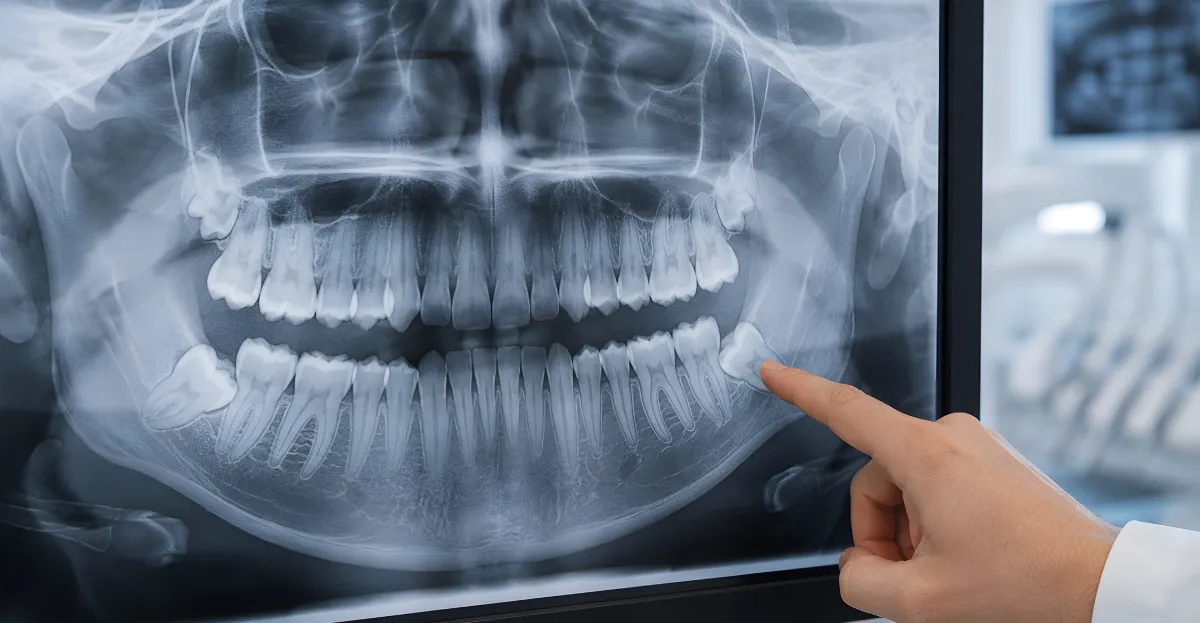
Tooth Extraction Recovery: How to Care for Yourself After Surgery
Having a tooth extracted, whether it is a routine extraction, a wisdom tooth removal, or a dental emergency, can feel daunting. However, understanding proper tooth extraction recovery in Sunnyvale, CA, can help ensure a smooth, comfortable healing process while preventing unwanted complications like dry socket or infection.
If you are currently recovering from a tooth removal or preparing for an upcoming procedure in the South Bay, following these essential care steps will help your mouth heal quickly and safely.
What to Expect Immediately After a Tooth Extraction
It is completely normal to experience mild swelling, slight bleeding, and minor discomfort during the first 24 to 48 hours following surgery. Our dental team will place a gauze pad over the extraction site to control initial bleeding and encourage a solid blood clot to form.
This blood clot is the cornerstone of your healing process. It protects the exposed bone and nerves underneath while tissue regrows. Preserving this clot during the first few days of recovery is your primary goal.
6 Essential Rules for a Smooth Recovery
1. Maintain Gentle Pressure on the Gauze
Bite down gently but firmly on the cotton gauze pad placed over the extraction site for 30 to 45 minutes after leaving the dental office. If light bleeding or oozing continues, replace it with a fresh gauze pad and keep gentle pressure for another 30 minutes.
2. Protect the Blood Clot (Avoid Suction & Spitting)
To avoid dislodging the blood clot and triggering a painful condition known as dry socket, observe these strict guidelines for at least 48 to 72 hours:
-
Do NOT use a straw when drinking liquids.
-
Do NOT smoke, vape, or use tobacco products.
-
Avoid forceful spitting or aggressive rinsing. Let liquids gently drop out of your mouth into the sink.
3. Manage Swelling and Pain
Cold Therapy: Apply an ice pack wrapped in a cloth to the outside of your cheek in 15-minute intervals (15 minutes on, 15 minutes off) during the first 24 hours to minimize facial swelling.
Warm Compresses: After the first 24 to 48 hours, apply a warm compress to the outside of your cheek in 15-minute intervals (15 minutes on, 15 minutes off).
Medication: Take prescribed or over-the-counter pain relievers as directed by your dentist before the numbness from local anesthesia fully wears off.
4. Stick to Soft Foods and Proper Hydration
Stay hydrated by sipping plenty of water, but choose soft, nutrient-dense foods for the first few days. Ideal options include:
-
Smoothies (drunk straight from a cup, no straws!)
-
Yogurt, applesauce, and pudding
-
Lukewarm, mild soups and broths
-
Mashed potatoes or scrambled eggs
-
Avoid hot, spicy, crunchy, or seedy foods (like berries or sesame seeds) that could get trapped in the surgical site or irritate tender gums.
-
Avoid noodles or other foods that encourage slurping motions.
5. Keep Your Mouth Clean (Gently)
On the day of surgery, avoid brushing directly around the extraction site. Starting 24 hours after your procedure, you can gently rinse your mouth with a warm saltwater solution (½ teaspoon of salt dissolved in 8 ounces of warm water) after meals. Continue brushing and flossing your other teeth carefully.
6. Prioritize Rest
Avoid strenuous physical activity, heavy lifting, or intense workouts for at least 48 to 72 hours. Rest lowers your blood pressure, which minimizes bleeding and accelerates tissue healing.
Warning Signs: When to Contact Your Dentist Right Away
While mild aching and minor oozing are standard, certain symptoms require immediate professional attention:
-
Severe, throbbing pain that worsens 3 to 4 days post-extraction (a hallmark sign of dry socket)
-
Heavy bleeding that does not slow down with firm gauze pressure
-
High fever, chills, or persistent nausea
-
Excessive swelling that worsens after 48 hours
-
Persistent numbness in your lip, tongue, or chin
Tooth Extraction Recovery FAQ
How long does it take for a tooth extraction site to heal?
Initial soft-tissue healing usually takes 1 to 2 weeks, while the underlying bone fully remodels over several months. Most patients return to their normal daily activities within 2 to 4 days.
What is a dry socket, and how can I avoid it?
Dry socket occurs when the protective blood clot in the tooth socket fails to form, dissolves prematurely, or gets dislodged, leaving nerves exposed to air and food. You can avoid it by avoiding straws, smoking, spitting, and vigorous rinsing during early recovery.
When can I eat solid foods again?
You can gradually reintroduce solid foods after 3 to 4 days, or as soon as chewing becomes comfortable. Always chew on the side of your mouth opposite the extraction site.
Expert Extraction Care and Dental Emergency Services in Sunnyvale, CA
When you require a tooth extraction, or experience an urgent dental emergency, getting prompt, compassionate care from an experienced dental team makes all the difference.
If you are experiencing severe tooth pain, need an emergency extraction, or have questions about post-surgical healing, reach out to Dr. Andrew Nguyen and our team immediately.